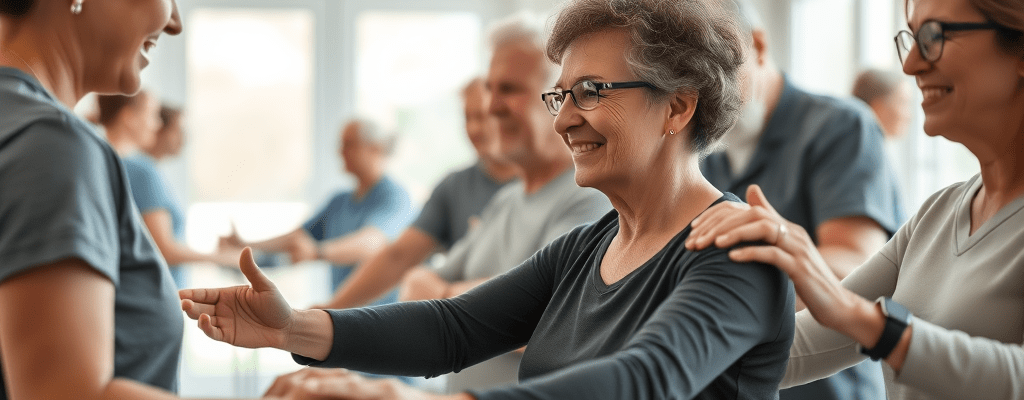
Physical rehabilitation, often called “rehab,” is a branch of medicine dedicated to helping individuals regain or improve their physical function following illness, injury, surgery, or chronic conditions. It involves a multidisciplinary approach, using various therapeutic techniques to restore mobility, strength, and the ability to perform daily activities. The ultimate goal of rehabilitation is to enhance the quality of life by promoting physical independence and improving overall health and well-being.
Rehabilitation is not limited to addressing physical injuries; it also encompasses cognitive and psychological elements, ensuring a holistic recovery process. Whether someone is recovering from a stroke, healing from surgery, or managing a chronic illness, rehabilitation plays a critical role in optimizing recovery and reintegrating individuals into their daily lives.
Many patients who have had surgery or undergone trauma from accidents progress through different types of rehabilitation which can include stretching exercises, yoga, and more specific therapy as outlined below.
The Purpose and Goals of Physical Rehabilitation
The primary objective of physical rehabilitation is to help individuals return to their highest possible level of functioning. However, rehabilitation is not just about physical recovery but about restoring an individual’s quality of life. The specific goals of rehabilitation may vary depending on the patient’s condition, but they often include:
- Pain Relief: One of rehabilitation’s most immediate goals is to alleviate pain caused by injury or surgery. Physical therapy, medications, and other treatments manage acute or chronic pain.
- Restoring Mobility and Function: Rehabilitation aims to restore a person’s ability to move and function independently. This includes regaining strength, flexibility, balance, and coordination.
- Improving Cardiovascular and Respiratory Function: Rehabilitation may focus on improving cardiovascular endurance and respiratory efficiency for individuals recovering from conditions such as heart or lung disease.
- Regaining Independence in Daily Activities: A significant focus of rehab is enabling patients to perform daily activities like walking, dressing, bathing, and eating independently, whether recovering from surgery or a neurological event such as a stroke.
- Preventing Future Complications: Rehabilitation aims to prevent complications resulting from immobility, such as muscle wasting, joint stiffness, and pressure sores. It also focuses on minimizing the risk of future injuries by teaching patients proper movement techniques and strengthening vulnerable areas.
- Improving Quality of Life: Beyond the physical, rehabilitation improves psychological well-being by helping individuals regain confidence in their abilities, cope with changes, and adapt to new limitations or capabilities.
Types of Physical Rehabilitation
Several types of physical rehabilitation are designed to address specific needs and conditions. The type of rehab a patient receives depends on the nature of their injury, illness, or disability. The most common types of physical rehabilitation include:
- Orthopedic Rehabilitation
Orthopedic rehabilitation is designed to help individuals recover from musculoskeletal injuries, including bones, muscles, ligaments, and tendons. Common conditions treated in orthopedic rehab include fractures, sprains, tendonitis, arthritis, and post-surgical recovery from joint replacement or spinal surgery.
Techniques Used: Orthopedic rehabilitation often involves physical therapy exercises that target strength, flexibility, and range of motion. Manual therapy, such as massage and joint mobilization, may also reduce pain and stiffness. Orthotic devices like braces or prosthetics may be introduced in more severe cases to assist with mobility.
- Neurological Rehabilitation
Neurological rehabilitation focuses on helping individuals recover from disorders or injuries that affect the nervous system, such as strokes, traumatic brain injuries (TBIs), spinal cord injuries, multiple sclerosis, or Parkinson’s disease. These conditions often lead to movement, balance, coordination, and cognition challenges.
Techniques Used: Neurological rehabilitation combines physical, occupational, and speech therapy. The focus is on retraining the brain and nervous system through exercises that improve movement, coordination, and speech. Patients may also receive assistive devices or technologies that aid mobility or communication.
- Cardiovascular and Pulmonary Rehabilitation
Cardiovascular and pulmonary rehabilitation is designed for individuals who have suffered from heart or lung conditions, such as heart attacks, chronic obstructive pulmonary disease (COPD), or heart failure. The primary goal is to improve cardiovascular endurance and respiratory function.
Techniques Used: This rehab typically involves aerobic exercise, strength training, and education on lifestyle changes, such as diet and smoking cessation, to improve heart and lung health. Breathing exercises and oxygen therapy may also be part of the treatment plan.
- Pediatric Rehabilitation
Pediatric rehabilitation focuses on helping children recover from injuries, congenital conditions, or developmental delays. Children with conditions like cerebral palsy, spina bifida, muscular dystrophy, or traumatic injuries often require specialized rehabilitation to achieve optimal development and function.
Techniques Used: Pediatric rehab may involve physical therapy to improve motor skills, occupational therapy to enhance the ability to perform daily tasks, and speech therapy to address communication or feeding difficulties. Play therapy is often used to engage children in their treatment.
- Geriatric Rehabilitation
As individuals age, they may face mobility issues, chronic pain, or age-related conditions such as osteoporosis or arthritis. Geriatric rehabilitation focuses on improving the physical functioning of older adults, helping them maintain independence and prevent falls or injuries.
Techniques Used: Geriatric rehab emphasizes exercises that improve balance, strength, and coordination. It may also include fall prevention education, assistive devices like walkers or canes, and therapies that address age-related cognitive decline.
Rehabilitation Techniques and Therapies
Rehabilitation involves various techniques and therapies to address specific physical and functional impairments. These techniques are used by rehabilitation professionals, such as physical, occupational, and speech therapists, depending on the individual’s needs. Standard rehabilitation techniques include:
- Physical Therapy
Physical therapy (PT) is one of the most common forms of rehabilitation. It involves exercises and treatments to improve movement, strength, flexibility, and balance. Physical therapists work with patients to design individualized exercise programs that target specific areas of weakness or dysfunction. Techniques used in PT may include:
- Stretching and Strengthening Exercises: Target specific muscle groups to improve flexibility and strength.
- Manual Therapy: Includes massage, mobilization, and manipulation techniques to reduce pain, improve range of motion, and address muscle tightness.
- Modalities: Such as heat, cold, ultrasound, or electrical stimulation to reduce pain and inflammation and promote healing.
- Occupational Therapy
Occupational therapy (OT) focuses on helping individuals regain the ability to perform daily activities, such as dressing, bathing, cooking, or returning to work. Occupational therapists work with patients to improve fine motor skills, coordination, and cognitive function. OT also involves:
- Adaptive Techniques: Teaching individuals new ways to perform tasks, especially if they have limitations in mobility or dexterity.
- Use of Assistive Devices: Recommending and training individuals to use devices such as grab bars, adaptive utensils, or prosthetics.
- Speech and Language Therapy
Speech therapy helps individuals who have difficulty with communication, swallowing, or cognition, often following a stroke, brain injury, or neurodegenerative condition. Speech therapists focus on:
- Speech Exercises: To improve articulation, fluency, and the ability to produce and understand language.
- Cognitive Exercises: Addressing memory, attention, and problem-solving skills.
- Swallowing Therapy: For individuals with dysphagia (difficulty swallowing), therapists help improve the muscles and coordination involved in eating and drinking.
- Aquatic Therapy
Aquatic therapy involves exercises performed in water, providing a low-impact environment that reduces joint and muscle stress. Water’s buoyancy allows individuals to move more freely, making it ideal for individuals recovering from injuries or surgeries and those with chronic pain conditions like arthritis.
- Electrotherapy
Electrotherapy uses electrical stimulation to promote muscle contraction, reduce pain, and accelerate healing. Techniques like Transcutaneous Electrical Nerve Stimulation (TENS) are commonly used in physical therapy to manage pain, while other forms of electrical stimulation can help patients with muscle weakness regain strength.
The Role of a Multidisciplinary Team in Rehabilitation
Physical rehabilitation is rarely a one-size-fits-all process. It typically involves a team of health professionals collaborating to create and implement an individualized treatment plan. The multidisciplinary team may include:
- Physiatrists: Medical doctors specializing in physical medicine and rehabilitation who oversee the overall rehabilitation process.
- Physical Therapists: Experts in movement and function who design and guide exercise programs to improve mobility and reduce pain.
- Occupational Therapists: Help individuals regain the ability to perform daily tasks and achieve independence.
- Speech and Language Therapists: Work with individuals to improve communication and swallowing abilities.
- Nurses: Provide care and support during rehabilitation, particularly in managing medical issues and medication.
- Psychologists: Help address emotional and psychological challenges that may arise during the recovery process, including depression, anxiety, and adjustment to new physical limitations.
- Social Workers: They assist patients and their families in navigating the healthcare system, finding community resources, and planning for their return to daily life.
The Importance of Patient Participation in Rehabilitation
Active participation by the patient is crucial for the success of physical rehabilitation. Patients must be engaged in their recovery, following their exercise regimens, attending therapy sessions, and adopting lifestyle changes supporting their long-term health. Rehabilitation is a collaborative process, and success depends on the patient’s commitment to the treatment plan and willingness to work toward recovery goals.
The Psychological Aspects of Rehabilitation
In addition to physical recovery, rehabilitation often involves addressing the emotional and psychological challenges that accompany injury or illness. Conditions that lead to physical disability can also result in feelings of frustration, anxiety, depression, or a sense of despair and loss. Psychotherapy of some type may be helpful at this point.
 Natural Health and Holistic Care