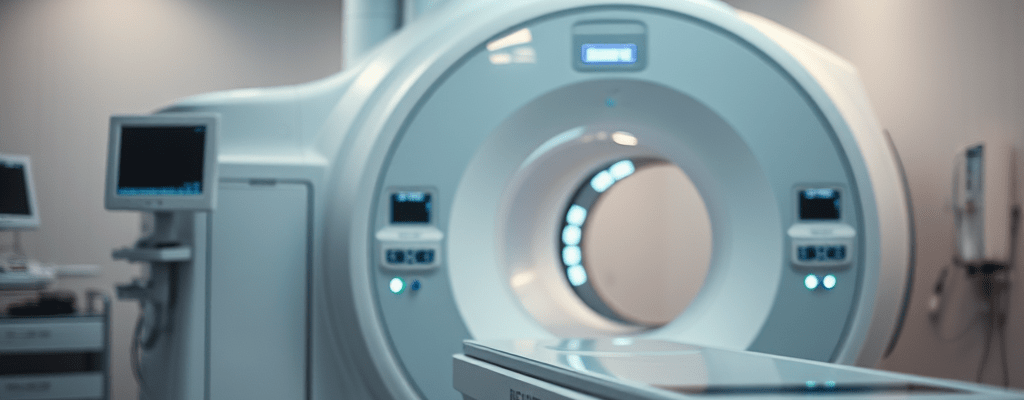
Radiation therapy, also known as radiotherapy, is a treatment modality that uses high doses of radiation to target and destroy cancer cells. It is one of the most common and effective treatments for cancer, used either alone or in combination with other therapies such as surgery and chemotherapy. Radiation therapy exploits the fact that cancer cells are more susceptible to damage from radiation compared to normal cells. By delivering carefully controlled doses of ionizing radiation, it damages the DNA of cancer cells, preventing them from growing and multiplying.
How Radiation Therapy Works
Radiation therapy works by damaging the DNA within cancer cells, which makes it impossible for them to divide and proliferate. Over time, these damaged cells die and are naturally eliminated by the body. Although radiation also affects normal cells, healthy cells are typically more resilient and can repair themselves more effectively than cancer cells. This differential ability to recover from radiation damage is the key to its therapeutic success.
Types of Radiation Used
There are different types of ionizing radiation used in therapy, with the most common being X-rays, gamma rays, and particle radiation (such as protons and neutrons). Each type has its own characteristics and is chosen based on the location, size, and type of tumor being treated.
- X-rays and Gamma Rays: These are forms of electromagnetic radiation commonly used in external beam radiation therapy. X-rays are produced by machines like linear accelerators, while gamma rays are emitted by radioactive isotopes, such as cobalt-60.
- Particle Radiation: Proton therapy is an advanced type of radiation that uses protons instead of X-rays. Proton therapy allows for more precise targeting of tumors because protons deposit their energy directly within the tumor, minimizing damage to surrounding healthy tissue.
Types of Radiation Therapy
There are two primary types of radiation therapy, each distinguished by how the radiation is delivered to the cancerous area: external beam radiation therapy (EBRT) and internal radiation therapy (also known as brachytherapy).
1. External Beam Radiation Therapy (EBRT)
EBRT is the most common form of radiation therapy, where a machine outside the body directs radiation toward the tumor. The machine, often a linear accelerator, delivers high-energy beams that are precisely targeted at the tumor site.
Techniques Used in EBRT:
- 3D Conformal Radiation Therapy (3D-CRT): This technique uses imaging technologies such as CT or MRI scans to create a three-dimensional representation of the tumor. The radiation beams are then shaped to match the tumor’s size and contour, minimizing exposure to surrounding healthy tissues.
- Intensity-Modulated Radiation Therapy (IMRT): IMRT is a more advanced form of 3D-CRT that allows for varying intensities of radiation within the same treatment session. This technique enables higher doses of radiation to be focused on the tumor while reducing the dose to adjacent tissues.
- Image-Guided Radiation Therapy (IGRT): IGRT involves the use of imaging during radiation treatment to improve accuracy. By taking images immediately before or during treatment, clinicians can ensure that the radiation is precisely delivered to the intended area, adjusting for changes in the tumor’s position due to movement or changes in the patient’s anatomy.
- Stereotactic Body Radiation Therapy (SBRT): SBRT delivers very high doses of radiation in fewer treatment sessions. It is often used for small, well-defined tumors in organs such as the lungs, liver, or spine. SBRT is highly precise and effective, minimizing exposure to surrounding tissues.
2. Internal Radiation Therapy (Brachytherapy)
Brachytherapy involves placing a radioactive source directly inside or near the tumor. This allows for a higher dose of radiation to be delivered to the cancerous cells while limiting radiation exposure to nearby healthy tissues.
Types of Brachytherapy:
- Low-Dose Rate (LDR) Brachytherapy: In LDR brachytherapy, small radioactive seeds are implanted in or near the tumor, where they slowly release radiation over several weeks or months. LDR is commonly used to treat prostate cancer.
- High-Dose Rate (HDR) Brachytherapy: HDR brachytherapy involves temporarily placing a radioactive source inside or next to the tumor for a short period, typically a few minutes. This method allows for higher doses of radiation to be delivered in shorter treatment sessions, often used for cancers such as cervical, breast, or skin cancer.
Radiation Therapy for Different Types of Cancer
Radiation therapy is used to treat a wide variety of cancers. It can be applied as a curative treatment, with the goal of eliminating cancer, or as a palliative treatment, aiming to relieve symptoms and improve quality of life for those with advanced cancer.
Common Cancers Treated with Radiation Therapy:
- Breast Cancer: Radiation is commonly used after surgery (lumpectomy or mastectomy) to kill any remaining cancer cells and reduce the risk of recurrence. Whole breast radiation or partial breast irradiation may be used depending on the stage and location of the cancer.
- Prostate Cancer: Both EBRT and brachytherapy are effective treatments for prostate cancer. Radiation may be used alone or in combination with surgery or hormone therapy, especially for early-stage or localized prostate cancer.
- Lung Cancer: Radiation therapy, particularly SBRT, is an option for patients with early-stage lung cancer who are not candidates for surgery. For advanced lung cancer, radiation is used to shrink tumors and alleviate symptoms such as pain or difficulty breathing.
- Head and Neck Cancer: Radiation therapy is often the primary treatment for cancers of the head and neck region, either alone or combined with chemotherapy or surgery.
- Brain Cancer: Radiation therapy, including highly precise forms like stereotactic radiosurgery (SRS), is used to treat primary brain tumors and metastases to the brain from other cancers.
- Colorectal Cancer: For rectal cancer, radiation therapy is commonly combined with chemotherapy before surgery to shrink tumors, making them easier to remove and improving surgical outcomes.
The Treatment Process
Radiation therapy is typically delivered over multiple sessions, known as fractions. A typical course of treatment might last from several days to several weeks, depending on the type and location of the cancer, as well as the goals of therapy.
Steps in Radiation Therapy:
- Consultation and Planning: Before treatment begins, the patient meets with a radiation oncologist who develops a customized treatment plan. This process involves imaging studies, such as CT, MRI, or PET scans, to accurately locate the tumor.
- Simulation: During the simulation process, the patient is positioned in the exact posture they will be in during treatment. Custom molds or cushions may be created to help them remain still. Markers or tattoos may be applied to the skin to ensure the radiation is directed at the same spot each time.
- Treatment Sessions: During each treatment, the patient is positioned on a treatment table, and the radiation machine delivers the prescribed dose. Most treatment sessions last only a few minutes, and patients typically do not feel anything during the radiation delivery itself.
- Follow-Up: After completing radiation therapy, patients will have follow-up appointments to monitor their response to treatment, manage any side effects, and assess the overall progress of their cancer care.
Side Effects of Radiation Therapy
While radiation therapy is an effective cancer treatment, it can cause side effects, which vary depending on the area of the body being treated, the dose of radiation, and individual patient factors.
Common Side Effects:
- Fatigue: One of the most common side effects of radiation therapy, fatigue can range from mild to severe and may persist for weeks or months after treatment.
- Skin Irritation: Radiation can cause skin changes such as redness, dryness, itching, or peeling in the area being treated. In some cases, more severe reactions like blistering or ulceration may occur.
- Hair Loss: Radiation therapy can cause hair loss in the area being treated, particularly if the radiation is directed at the head or scalp.
- Nausea and Vomiting: Radiation to the abdomen or pelvis can cause gastrointestinal side effects, including nausea, vomiting, and diarrhea.
- Damage to Surrounding Organs: Depending on the location of the radiation, surrounding organs may experience some damage. For example, radiation to the chest may affect the lungs or heart, while radiation to the pelvis could impact the bladder or bowels.
Long-Term Effects:
- Lymphedema: Radiation to the lymph nodes can disrupt the lymphatic system, leading to swelling, typically in the arms or legs.
- Secondary Cancers: In rare cases, radiation therapy can increase the risk of developing a secondary cancer later in life due to the exposure of healthy tissues to radiation.
Advances in Radiation Therapy
Significant advancements in radiation therapy technology have improved its precision and effectiveness, while minimizing damage to surrounding healthy tissue. Some of the most notable advances include:
- Proton Therapy: This form of particle therapy offers highly targeted radiation that deposits most of its energy directly in the tumor, reducing side effects and damage to surrounding tissues. It is particularly beneficial for tumors located near critical structures like the brain or spine.
- Stereotactic Radiosurgery (SRS): SRS delivers a single high dose of radiation with pinpoint accuracy. It is often used to treat small, well-defined tumors in the brain or spine.
- Adaptive Radiation Therapy: This cutting-edge approach involves adjusting the radiation plan during treatment based on changes in the tumor or patient anatomy, improving the precision and effectiveness of the therapy.
- Artificial Intelligence (AI) and Machine Learning: AI is increasingly being used in radiation oncology to improve treatment planning, predict patient outcomes, and personalize radiation doses for better results.
Conclusion
Radiation therapy is a cornerstone of modern cancer treatment, offering a powerful and precise tool for targeting cancer cells while sparing healthy tissues. With continuous advances in technology and treatment techniques, radiation therapy has become more effective, reducing side effects and improving outcomes for patients across a wide range of cancers. Despite its potential risks, the benefits of radiation therapy in controlling cancer and enhancing quality of life make it an indispensable part of oncology care. For many patients, radiation therapy offers the hope of remission, extended survival, and improved quality of life, making it a critical component in the fight against cancer.
 Natural Health and Holistic Care