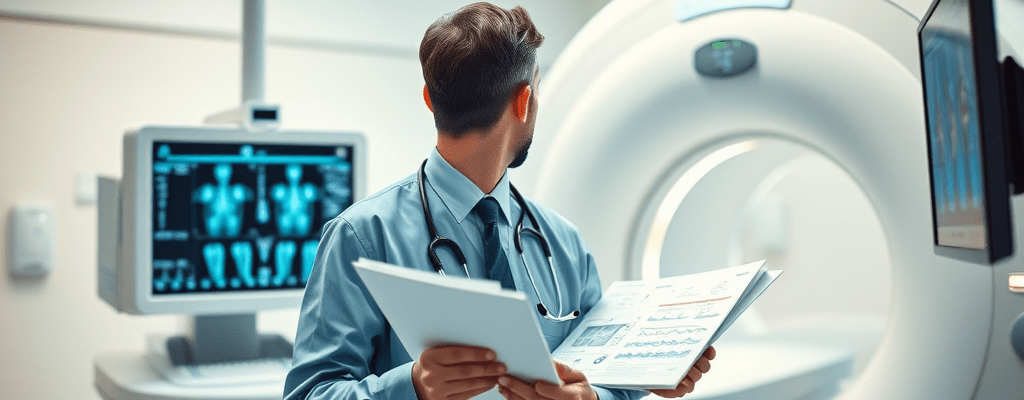
Western medicine, also known as allopathic, conventional, or mainstream medicine, is a system of healthcare that relies on scientific evidence to diagnose and treat diseases. It is the predominant medical practice in the United States and many other parts of the world. Here’s an in-depth look at its history, principles, practices, and how it compares to other medical systems.
Historical Background
Western medicine has its roots in ancient Greece, with Hippocrates often referred to as the “father of Western medicine.” Hippocrates and his followers believed that diseases were caused by imbalances in the body’s four humors: blood, black bile, yellow bile, and phlegm. This humoral theory dominated medical thinking for centuries.
The Renaissance marked a significant shift as medical knowledge expanded through dissection and anatomical studies. The scientific revolution further propelled Western medicine with the development of the scientific method, leading to more systematic and empirical approaches to understanding and treating diseases.
Core Principles
Evidence-Based Practice: Western medicine relies heavily on scientific research and clinical trials to determine the efficacy and safety of treatments. This approach ensures that medical practices are based on the best available evidence.
Specialization: The field is highly specialized, with healthcare providers focusing on specific areas such as cardiology, neurology, or oncology. This specialization allows for more in-depth knowledge and expertise in treating complex conditions.
Technological Integration: Advanced technology plays a crucial role in Western medicine. Diagnostic tools like MRI, CT scans, and blood tests are essential for accurate diagnosis and treatment planning.
Pharmacology: The use of pharmaceuticals is a cornerstone of Western medicine. Medications are developed through rigorous testing and are prescribed to manage symptoms, cure diseases, or prevent conditions.
Surgical Interventions: Surgery is a common practice in Western medicine for treating various conditions, from appendicitis to heart disease. Surgical techniques have evolved significantly, with minimally invasive procedures becoming more common.
Common Practices
Diagnostic Tests: Blood tests, urine tests, X-rays, and imaging scans are routinely used to diagnose conditions. These tests provide critical information about a patient’s health status.
Medications: Over-the-counter (OTC) and prescription medications treat various conditions. These include antibiotics for infections, antihypertensives for high blood pressure, and insulin for diabetes.
Surgical Procedures: Surgeries range from minor outpatient procedures to significant operations like organ transplants. Advances in surgical techniques and anesthesia have significantly improved patient outcomes.
Preventive Care: Vaccinations, screenings, and lifestyle counseling are integral to preventive care in Western medicine. These measures aim to prevent or detect diseases early when they are most treatable.
Therapies: Physical, occupational, and speech therapies help patients recover from injuries, surgeries, or chronic conditions. These therapies are often part of a comprehensive treatment plan.
Comparison with Eastern Medicine
Western medicine is often contrasted with Eastern medicine, which includes practices like Traditional Chinese Medicine (TCM) and Ayurveda. Here are some key differences:
Approach to Treatment: Western medicine treats specific symptoms and diseases, often using pharmaceuticals and surgery. In contrast, Eastern medicine takes a holistic approach, aiming to balance the body’s energy (Qi in TCM) and treat the person as a whole.
Diagnostic Methods: Western medicine uses diagnostic tests and imaging to identify diseases. Eastern medicine uses techniques like pulse diagnosis and tongue examination to assess a patient’s health.
Treatment Modalities: While Western medicine uses drugs and surgery, Eastern medicine employs herbal remedies, acupuncture, and dietary therapy. These treatments aim to restore balance and promote natural healing.
Philosophical Foundations: Western medicine is rooted in the scientific method and empirical evidence. Eastern medicine is based on ancient philosophies and holistic principles passed down through generations.
Integration of Complementary and Alternative Medicine (CAM)
There has been a growing interest in integrating complementary and alternative medicine (CAM) with Western medicine in recent years. This integrative approach aims to combine the strengths of both systems to provide more comprehensive care. Examples include:
Acupuncture: Often used to manage pain and stress, acupuncture is increasingly incorporated into Western medical practices.
Herbal Medicine: Some Western healthcare providers recommend herbal supplements as part of a treatment plan, especially for conditions like anxiety and insomnia.
Mind-Body Practices: Techniques like yoga, meditation, and tai chi are recognized for reducing stress and improving overall well-being.
Challenges and Criticisms
Despite its many strengths, Western medicine faces several challenges and criticisms:
Over-Reliance on Pharmaceuticals: Critics argue that Western medicine often relies too heavily on medications, sometimes leading to overprescription and side effects.
High Costs: The cost of healthcare in Western countries, particularly the United States, is a significant concern. High costs can limit access to necessary treatments for many individuals.
Fragmentation of Care: The specialization in Western medicine can sometimes lead to fragmented care, where different specialists may not communicate effectively, potentially impacting patient outcomes.
Focus on Disease Rather Than Health: Some critics believe Western medicine focuses too much on treating diseases rather than promoting overall health and wellness.
Conclusion
Western medicine is a dynamic and evolving field that significantly contributes to global health. Its reliance on scientific evidence, advanced technology, and specialized care has led to remarkable advancements in diagnosing and treating diseases. However, it is not without its challenges, including high costs and potential over-reliance on pharmaceuticals. By integrating complementary and alternative practices, Western medicine can continue to evolve and provide holistic, patient-centered care.
 Natural Health and Holistic Care
[…] of apothecary drugs is a fascinating journey through time, reflecting the evolution of medicine, pharmacy, and healthcare practices. Here’s an in-depth look at this rich […]
LikeLike
[…] Western medicine is characterized by evidence-based practice, advanced technology, and a focus on patient-centered care. Medical research continues to push the boundaries of knowledge, with ongoing developments in genetics, personalized medicine, and biotechnology. […]
LikeLike