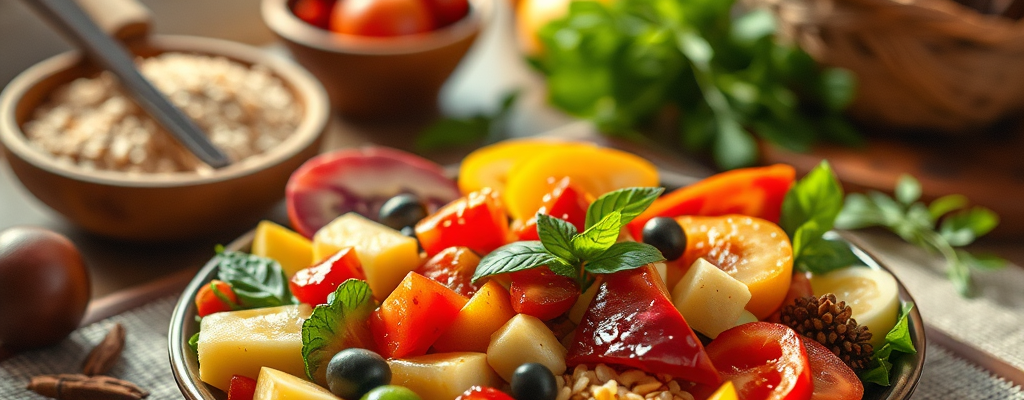
Ayurveda, the ancient Indian system of medicine, places significant emphasis on diet and nutrition, collectively known as Ahara. According to Ayurvedic principles, food is not just a source of energy but a vital component that influences physical, mental, and spiritual well-being. The Ayurvedic diet is personalized, considering an individual’s unique constitution, or dosha, and aims to maintain balance and harmony within the body.
Core Principles of the Ayurvedic Diet
Dosha-Based Diet: Ayurveda identifies three primary doshas—Vata, Pitta, and Kapha—each representing a combination of the five elements (earth, water, fire, air, and ether). Every individual has a unique balance of these doshas, which determines their physical and mental characteristics. The Ayurvedic diet is tailored to balance these doshas, promoting health and preventing disease.
Agni (Digestive Fire): Agni, or digestive fire, is central to Ayurvedic nutrition. A strong Agni ensures proper digestion, absorption, and assimilation of nutrients, while a weak Agni can lead to digestive issues and disease. Ayurveda emphasizes eating foods that enhance Agni and avoiding those that weaken it.
Six Tastes (Shad Rasa): Ayurveda categorizes foods into six tastes: sweet, sour, salty, bitter, pungent, and astringent. A balanced diet includes all six tastes, which help balance the doshas and provide complete nutrition. Each taste has specific effects on the body and mind, influencing digestion, metabolism, and overall health.
Seasonal and Local Eating: Ayurveda advocates eating seasonal and locally grown foods. Seasonal foods are believed to be in harmony with the body’s needs during different times of the year, while local foods are considered more suitable for the individual’s environment.
Mindful Eating: Mindful eating is integral to Ayurveda. It involves eating in a calm and relaxed environment, chewing food thoroughly, and paying attention to the body’s hunger and satiety signals. Mindful eating enhances digestion and promotes a healthy relationship with food.
Dietary Recommendations for Each Dosha
Vata Dosha
Vata is associated with the elements of air and ether and is characterized by dryness, lightness, and coldness. To balance these qualities, individuals with a dominant Vata dosha are advised to consume warm, moist, and grounding foods.
Foods to Favor: Warm-cooked grains (like rice and oats), root vegetables, dairy products, nuts, seeds, and warming spices (such as ginger, cinnamon, and cumin).
Foods to Avoid: Raw vegetables, cold foods, drinks, dried fruits, and bitter or astringent foods.
Pitta Dosha
Pitta is associated with fire and water and is characterized by heat, intensity, and sharpness. To balance Pitta, individuals should focus on cooling, soothing, and hydrating foods.
Foods to Favor: Fresh fruits and vegetables, especially those with high water content (like cucumbers and melons), dairy products, grains (like barley and rice), and cooling herbs (such as mint and coriander).
Foods to Avoid: Spicy foods, alcohol, caffeine, and acidic foods (like tomatoes and vinegar).
Kapha Dosha
Kapha is associated with earth and water and is characterized by heaviness, stability, and coldness. Individuals should consume light, warm, and stimulating foods to balance Kapha.
Foods to Favor: Light grains (like quinoa and barley), legumes, leafy greens, spicy foods, and warming spices (such as black pepper and turmeric).
Foods to Avoid: Heavy foods (like dairy and fried foods), sweet and salty foods, and cold foods and drinks.
Ayurvedic Dietary Practices
Eating According to the Clock: Ayurveda recommends eating at specific times to align with the body’s natural rhythms. The largest meal should be consumed at midday when the digestive fire is most vital, while dinner should be lighter and eaten early in the evening.
Proper Food Combinations: Certain food combinations are believed to enhance digestion and nutrient absorption, while others can cause digestive disturbances. For example, combining fruits with dairy is generally discouraged.
Hydration: Drinking warm water or herbal teas throughout the day is recommended to aid digestion and detoxification. Cold drinks, especially during meals, are discouraged as they can weaken digestive fire.
Cooking Methods: We prefer cooking methods that enhance the digestibility and nutritional value of food. These include steaming, boiling, and sautéing with healthy fats like ghee or sesame oil.
Benefits of the Ayurvedic Diet
Improved Digestion: The Ayurvedic diet can enhance digestive health, reduce bloating, and prevent digestive disorders by focusing on Agni and mindful eating practices.
Balanced Weight: Personalized dietary recommendations help maintain a healthy weight by addressing the individual’s unique metabolic needs and promoting balanced eating habits.
Enhanced Energy and Vitality: Eating according to one’s dosha and incorporating all six tastes can improve energy levels, mental clarity, and overall vitality3.
Disease Prevention: The Ayurvedic diet emphasizes natural, whole foods and balanced nutrition, which can help prevent chronic diseases such as diabetes, heart disease, and obesity.
Mental Well-being: Ayurveda’s holistic approach, which includes diet, lifestyle, and mindfulness practices, supports mental health and emotional balance.
Conclusion
Ayurveda’s approach to diet and nutrition, or Ahara, is a comprehensive system beyond mere sustenance. It integrates the principles of dosha balance, digestive health, and mindful eating to promote overall well-being. By tailoring dietary practices to individual needs and emphasizing natural, seasonal, and locally sourced foods, Ayurveda offers a timeless guide to achieving optimal health and harmony.
 Natural Health and Holistic Care
[…] research suggests a strong connection between nutrition and mental health. Nutritional counseling can address dietary patterns that affect mood, anxiety, and cognitive […]
LikeLike
[…] Balanced Meals: Eating breakfast within a few hours of waking ensures energy and nourishment for the day ahead. Meals should be freshly prepared, using whole foods appropriate for dosha. […]
LikeLike
Great reading yyour blog
LikeLike
Amazing material. Really nice stuff here!
LikeLike