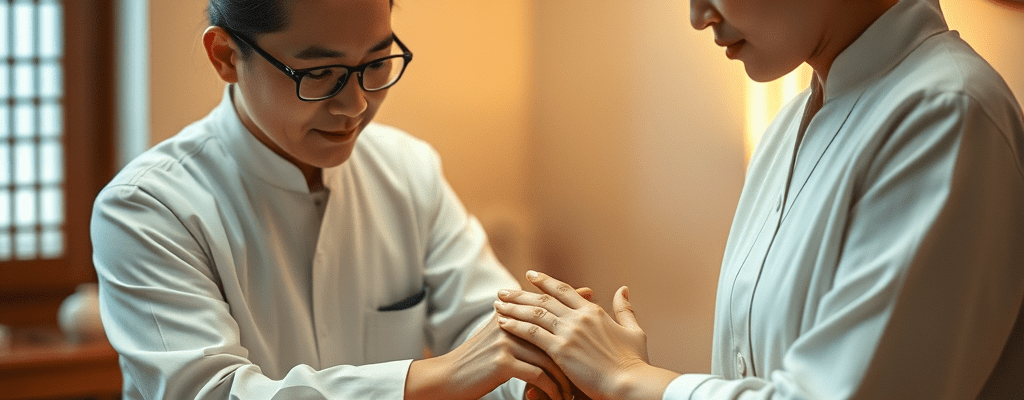
Tui Na (pronounced “twee-nah”) is a traditional Chinese therapeutic massage practiced for over 2,000 years. It is one of the key modalities in Traditional Chinese Medicine (TCM), along with acupuncture, herbal medicine, and Qigong. Tui Na, which means “push” (Tui) and “grasp” (Na), involves manipulating the body’s tissues, acupoints, and energy channels (meridians) to promote health and balance.
The practice of Tui Na is rooted in the ancient Chinese philosophy of balancing Yin and Yang and the movement of Qi (life energy) throughout the body. In TCM, health is believed to result from a harmonious flow of Qi, while blockages or imbalances in this flow can lead to illness and discomfort. Tui Na is used to restore this balance by targeting specific points and areas on the body to relieve pain, reduce stress, and promote the natural healing process.
Unlike Western-style massages, which often focus solely on muscle relaxation, Tui Na goes deeper into the body’s energy system, addressing both physical and emotional well-being. This comprehensive approach has made Tui Na a valuable therapeutic tool, used in hospitals and clinics throughout China and increasingly gaining recognition in the West.
In this article, we will explore the history, principles, techniques, and health benefits of Tui Na and how it fits into the broader framework of Traditional Chinese Medicine.
- History of Tui Na
The history of Tui Na can be traced back to ancient China, where it evolved as part of a holistic healing system that included herbal medicine, acupuncture, and Qigong. Early records of manual therapy in China date back to the Shang Dynasty (1700–1100 BCE), when healers used massage and manipulation to treat injuries and alleviate pain.
Over the centuries, the practice of Tui Na became more refined and systematized. During the Ming Dynasty (1368–1644), Tui Na was officially incorporated into Chinese medical texts and became a recognized branch of Traditional Chinese Medicine. It was widely used in hospitals and clinics, alongside other TCM practices like acupuncture and herbal medicine.
Tui Na has continued to evolve in the modern era, blending ancient techniques with modern medical knowledge. It is now taught in medical schools in China and is used in hospitals as part of a comprehensive approach to health care. Outside of China, Tui Na has gained popularity in other parts of the world, especially in Europe and North America, where it is often integrated into holistic and alternative medicine practices.
- The Philosophy and Principles Behind Tui Na
Tui Na is grounded in the principles of Traditional Chinese Medicine, particularly the concepts of Qi, Yin and Yang, and the meridian system. According to TCM, the body’s energy system comprises meridians—pathways through which Qi flows. When Qi is abundant and flowing smoothly, the body is in a state of health and balance. However, when Qi becomes blocked or deficient, it can lead to illness, pain, or emotional disturbances.
Qi and Meridians
Qi is considered the vital life force that animates all living beings. It flows through a network of meridians that connect the body’s organs and tissues. There are 12 primary meridians, each associated with a specific organ system (e.g., the lung, liver, or kidney), and several secondary meridians branch out from these main pathways. Tui Na works by stimulating the flow of Qi through these meridians, helping to restore balance and address the root causes of illness.
Yin and Yang
Yin and Yang are the complementary forces that govern the universe, including the human body. In TCM, health results from a dynamic balance between Yin (passive, calm, and nurturing energy) and Yang (active, warm, and stimulating). An imbalance between Yin and Yang can manifest as physical symptoms, such as pain, fatigue, or inflammation. Tui Na helps to balance Yin and Yang by harmonizing the body’s energy system.
Five Elements Theory
Tui Na also incorporates the Five Elements Theory of TCM, which categorizes the body’s organs and functions according to five elements: Wood, Fire, Earth, Metal, and Water. Each element is associated with different organ systems and emotional states. By addressing imbalances in these elements, Tui Na aims to restore harmony to the body’s internal systems and promote overall well-being.
- Techniques Used in Tui Na
Tui Na is a highly versatile form of bodywork that incorporates a wide range of techniques designed to manipulate the body’s soft tissues, acupoints, and meridians. Depending on the patient’s condition and treatment goals, the practitioner may use different types of pressure, such as rubbing, kneading, tapping, stretching, and grasping.
Some of the most commonly used techniques in Tui Na include:
- Tui (Pushing)
The therapist pushes along the meridians with the palm, fingers, or thumbs, helping to unblock stagnant Qi and improve circulation. This technique is often used to treat muscle tension and improve energy flow.
- Na (Grasping)
Grasping involves gently pinching and pulling the skin and muscles to stimulate acupoints and release tension. This technique can help relieve muscle spasms and increase blood flow to specific body areas.
- An (Pressing)
Pressing involves applying firm pressure to specific acupoints or areas of tension using the fingers, palms, or elbows. It is similar to acupressure and is used to relieve pain, improve circulation, and promote relaxation.
- Mo (Rubbing)
Rubbing involves gentle circular movements across the skin and muscles, often used to warm and relax the tissues. This technique is particularly effective for improving circulation and reducing muscle stiffness.
- Gun Fa (Rolling)
The therapist rolls across the body in a rhythmic motion using the back of their hand. This technique relieves deep muscle tension and improves flexibility.
- Cuo Fa (Twisting)
Twisting involves grasping and gently twisting the skin and underlying muscles to release tension and promote the flow of Qi. This technique is commonly used to treat joint pain and stiffness.
- Ji Fa (Percussion or Tapping)
Tapping or striking the body with a cupped hand or fist stimulates circulation, releases tension, and invigorates the flow of Qi. This technique is often applied to the back or limbs to relieve fatigue and increase energy.
- Yao (Rotating and Stretching)
In Tui Na, joint manipulation and stretching are often used to improve mobility and reduce stiffness. The therapist may gently rotate or stretch the patient’s limbs, neck, or spine to release tension and improve the range of motion.
- Pai Fa (Patting)
Patting the body with the hands or fingers stimulates the muscles and enhances the flow of Qi through the meridians. It is beneficial for improving circulation in areas where Qi may be stagnant.
These techniques can be applied in various combinations, depending on the patient’s specific condition and treatment goals. For example, a patient with lower back pain might receive deep pressing and kneading along the meridians that correspond to the kidneys and bladder, while someone suffering from stress or anxiety might benefit from lighter, more soothing techniques designed to calm the mind and balance Qi.
- Health Benefits of Tui Na
Tui Na offers many physical, emotional, and mental health benefits. It is used to treat both acute and chronic conditions, as well as to promote general well-being. Some of the most well-known benefits of Tui Na include:
- Pain Relief
Tui Na is widely recognized for its ability to alleviate pain, particularly in the musculoskeletal system. Tui Na can relieve tension, reduce inflammation, and improve blood circulation by targeting specific acupoints and meridians. It is commonly used to treat conditions such as:
- Back pain
- Neck and shoulder pain
- Sciatica
- Joint pain (e.g., arthritis)
- Headaches and migraines
- Stress Reduction
One of the primary benefits of Tui Na is its ability to reduce stress and promote relaxation. The techniques used in Tui Na helps to calm the nervous system, release tension from the muscles, and encourage a state of mental and emotional balance. This makes Tui Na an effective therapy for conditions related to stress, such as anxiety, insomnia, and tension headaches.
- Improved Circulation and Energy Flow
Tui Na promotes the smooth flow of Qi and blood throughout the body. By stimulating the meridians and acupoints, it improves circulation, oxygen delivery to tissues, and the elimination of metabolic waste products. This can help improve energy levels, enhance immune function, and support the body’s natural healing processes.
- Digestive Health
Tui Na is often used to support digestive health by stimulating acupoints and meridians associated with the stomach, spleen, and intestines. It can help to regulate digestive function, relieve bloating, and reduce symptoms of conditions such as indigestion, constipation, and irritable bowel syndrome (IBS).
- Emotional Balance
In TCM, emotional well-being is closely linked to the flow of Qi through the body’s organs and meridians. Tui Na can help to release emotional blockages and restore balance to the body’s energy system, promoting emotional stability and mental clarity. It is particularly beneficial for individuals suffering from stress, anxiety, or depression.
- Enhanced Mobility and Flexibility
Tui Na can improve flexibility, range of motion, and overall mobility by working on the muscles, joints, and connective tissues. It is especially useful for recovering from injuries or chronic conditions such as arthritis or muscle stiffness.
- Immune System Support
Tui Na’s ability to improve circulation and stimulate the body’s energy flow enhances immune function. By promoting the movement of lymphatic fluids and encouraging the elimination of toxins, Tui Na supports the body’s natural defenses against illness.
- Chronic Illness Management
Tui Na is often used as a complementary therapy for managing chronic conditions such as hypertension, diabetes, and respiratory issues. By promoting the smooth flow of Qi and blood, Tui Na helps to support the body’s healing processes and improve overall quality of life.
- Tui Na in Modern Healthcare
In recent years, Tui Na has gained recognition in modern healthcare systems, particularly as an integrative pain management, rehabilitation, and stress reduction therapy. It is increasingly used in hospitals, clinics, and wellness centers worldwide as a standalone treatment and in conjunction with other therapies such as acupuncture, physical therapy, and chiropractic care.
In China, Tui Na is commonly practiced in hospitals as part of a holistic approach to health care. It is often used in combination with acupuncture and herbal medicine to treat a wide range of conditions. In the West, Tui Na is becoming more popular as a form of complementary medicine, particularly for individuals seeking natural, noninvasive treatments for pain, stress, and chronic conditions.
Conclusion
Tui Na has been a powerful and versatile therapeutic practice for thousands of years, promoting health, balance, and well-being. Its holistic approach to healing, which integrates the principles of Traditional Chinese Medicine, makes it an effective treatment for many physical, emotional, and mental conditions.
By working on the body’s energy system, Tui Na helps to relieve pain, reduce stress, and support the body’s natural healing processes. Whether used as a standalone therapy or with other treatments, Tui Na offers a valuable tool for promoting holistic health in the modern world.
 Natural Health and Holistic Care
[…] Tuina: A form of therapeutic massage that involves acupressure and other manual techniques to promote the flow of Qi and relieve pain. […]
LikeLike