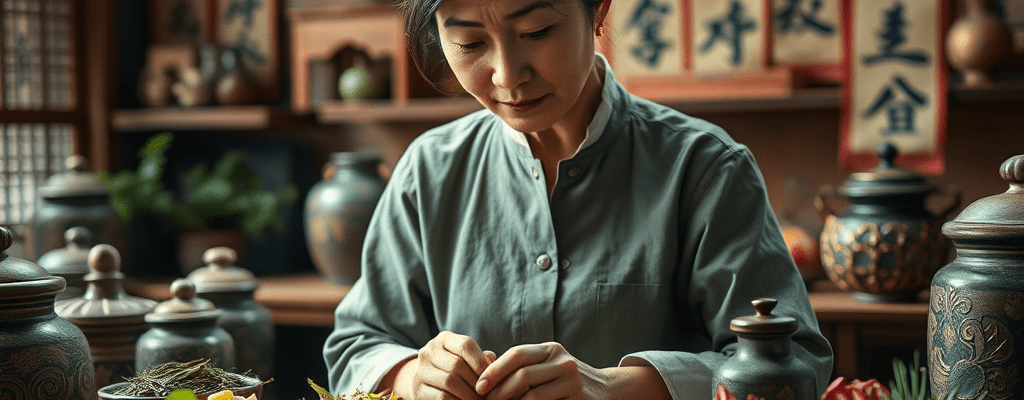
Chinese herbal medicine is one of the significant pillars of Traditional Chinese Medicine (TCM), an ancient system of health and healing that dates back thousands of years. Rooted in the belief that the body, mind, and spirit are interconnected, TCM takes a holistic approach to health, emphasizing the importance of balance and harmony within the body and with nature. Chinese herbal medicine plays a central role in maintaining this balance, using various plants, minerals, and animal products to address imbalances and promote healing.
Chinese herbal medicine is based on the core principles of TCM, which include the concepts of Qi (vital energy), Yin and Yang (opposing yet complementary forces), and the body’s organ systems, which are interconnected through meridians. Chinese herbal medicine aims to restore harmony between these elements, preventing and treating disease by addressing the underlying causes of illness rather than just the symptoms.
This article will explore the critical components of Chinese herbal medicine, including its historical roots, guiding principles, types of herbs, formulations, and therapeutic applications. We will also discuss the growing interest in Chinese herbal medicine in modern healthcare and its challenges in gaining acceptance in the West.
- Historical Background of Chinese Herbal Medicine
Chinese herbal medicine has a rich history that spans over 2,000 years. Its earliest recorded texts date back to the Shennong Bencao Jing (Divine Farmer’s Materia Medica), which was compiled during the Han Dynasty (206 BCE—220 CE). This text is attributed to Shennong, a legendary figure in Chinese mythology who is said to have tasted hundreds of herbs to determine their medicinal properties. The Shennong Bencao Jing classified 365 herbs based on their healing properties, toxicity, and effects on the body.
Another critical text, the Huangdi Neijing (Yellow Emperor’s Inner Canon), is considered the foundation of TCM. Written more than 2,000 years ago, it provides a comprehensive understanding of the body, disease, and health, including herbal medicine’s role in treating Qi’s imbalances and harmonizing the forces of Yin and Yang.
Over the centuries, Chinese herbal medicine has evolved and expanded, incorporating knowledge from other cultures and medical systems. During the Tang Dynasty (618-907 CE), the Tang Bencao (Tang Materia Medica) was compiled, listing over 850 medicinal substances and their uses. Later, the Bencao Gangmu (Compendium of Materia Medica), written by Li Shizhen in the 16th century, became one of the most comprehensive herbal medicine texts in Chinese history, documenting nearly 2,000 herbs and their applications.
Today, Chinese herbal medicine remains an integral part of TCM and is widely practiced in China and worldwide.
- Core Principles of Chinese Herbal Medicine
Chinese herbal medicine is built on several fundamental principles, many shared with other aspects of TCM. These principles reflect the practice’s holistic nature, which seeks to treat the whole person rather than focusing solely on the symptoms of disease.
- Qi, Yin, and Yang
At the heart of Chinese herbal medicine is the concept of Qi, the vital energy that flows through the body and maintains health. Qi circulates through meridian pathways, which connect the body’s organs and systems. When the flow of Qi is disrupted—either through deficiency, excess, stagnation, or improper flow—it can lead to illness and disease.
Yin and Yang are opposing yet complementary forces that must remain balanced to maintain health. Yin represents the body’s calm, nurturing, and passive aspects, while Yang represents the warm, active, and dynamic forces. Imbalances between Yin and Yang can manifest in various ways, such as cold or heat conditions, excess or deficiency, or dryness or dampness. Chinese herbal medicine seeks to restore this balance by regulating Qi and harmonizing Yin and Yang.
- The Five Elements
Another foundational principle of Chinese herbal medicine is the Five Elements (Wu Xing): Wood, Fire, Earth, Metal, and Water. These elements represent different aspects of the natural world and corresponding organs, emotions, and physiological functions in the body. Each element is linked to specific organs:
- Wood: Liver and Gallbladder
- Fire: Heart and Small Intestine
- Earth: Spleen and Stomach
- Metal: Lung and Large Intestine
- Water: Kidney and Bladder
Herbal formulas are often designed to balance these elements, addressing conditions associated with specific organs or elemental imbalances.
- The Six Pathogenic Factors
In TCM, disease is thought to arise from external or internal factors that disturb the body’s balance. The Six Pathogenic Factors are external influences that can invade the body and disrupt the flow of Qi. These include:
- Wind
- Cold
- Heat
- Dampness
- Dryness
- Fire
Chinese herbal medicine aims to expel these pathogenic factors, restore balance, and strengthen the body’s defenses.
- Types of Herbs and Medicinal Substances
Chinese herbal medicine uses various plants, minerals, and animal products to treat different conditions. These substances are classified based on their properties, taste, temperature, and the meridians they affect.
- Taste and Therapeutic Action
Each herb is categorized according to its taste, which is believed to reflect its therapeutic properties:
- Bitter: Drains excess, clears heat and dries dampness.
- Sweet: Tonifies, harmonizes, and nourishes the body.
- Sour: Astringes and preserves fluids.
- Salty: Softens hard masses and promotes bowel movements.
- Acrid (Pungent): Disperses stagnation and promotes the circulation of Qi and blood.
- Temperature
Herbs are also classified according to their temperature, which reflects their effect on the body’s Yin-Yang balance:
- Cold: Clears heat, cools the body, and treats conditions caused by excess heat or inflammation.
- Hot: Warms the body, dispels cold, and treats conditions caused by cold or deficiency.
- Neutral: Balances Yin and Yang without being excessively warming or cooling.
- Meridians Affected
Each herb is thought to affect specific meridians and organ systems. For example, ginseng is believed to benefit the lung and spleen meridians, while dang gui (Angelica sinensis) is associated with the liver and heart meridians.
- Herbal Formulations
Chinese herbal medicine rarely uses single herbs in isolation. Instead, herbs are typically combined into formulas, carefully crafted to balance the properties of different herbs and enhance their therapeutic effects. A formula may contain anywhere from a few to over 20 herbs, each serving a specific role:
- Chief Herb: The main herb that addresses the primary condition.
- Deputy Herb: Supports the chief herb and targets secondary symptoms.
- Assistant Herb: Reduces any side effects or toxicity of the other herbs.
- Envoy Herb: Harmonizes the formula and guides the herbs to specific meridians or areas of the body.
Formulas are tailored to each individual’s unique constitution and condition. A TCM practitioner will assess the patient’s symptoms, pulse, and tongue to determine the most appropriate formula. Herbal formulations’ flexibility allows practitioners to adapt treatments to the evolving needs of the patient.
- Therapeutic Uses of Chinese Herbal Medicine
Chinese herbal medicine treats various health conditions, from acute illnesses to chronic diseases. It is often employed alongside acupuncture, dietary therapy, and lifestyle modifications as part of a holistic treatment plan.
- Digestive Disorders
One of the most common uses of Chinese herbal medicine is for digestive disorders, such as indigestion, bloating, diarrhea, and constipation. Herbs like ginger (Zingiber officinale) and licorice root (Glycyrrhiza uralensis) are often used to warm and strengthen the digestive system, while herbs like dandelion root (Taraxacum mongolicum) help to clear heat and dampness from the stomach and liver.
- Respiratory Health
Herbs that affect the lung meridian, such as ephedra (Ma Huang) and honeysuckle (Lonicera japonica), are commonly used to treat respiratory conditions like coughs, asthma, and bronchitis. Chinese herbal medicine aims to strengthen the lung Qi, expel phlegm, and clear heat from the respiratory system.
- Gynecological Health
Chinese herbal medicine is widely used to treat women’s health issues, including menstrual irregularities, PMS, infertility, and menopausal symptoms. Herbs like dong quai (Angelica sinensis) and peony root (Paeonia lactiflora) are commonly used to nourish the blood, regulate the menstrual cycle, and alleviate cramps.
- Pain Management
For pain relief, Chinese herbal medicine often targets Qi and blood stagnation. Formulas that include corydalis (Yan Hu Suo) or safflower (Carthamus tinctorius) help to promote blood circulation and alleviate pain from conditions like arthritis, muscle strains, and headaches.
- Emotional and Mental Health
Chinese herbal medicine also addresses emotional and mental health by balancing the heart, liver, and spleen meridians. Herbs like bupleurum (Chai Hu) and Schisandra (Wu Wei Zi) relieve stress, anxiety, depression, and insomnia by calming the mind, soothing the liver, and tonifying the heart Qi.
- Chinese Herbal Medicine in Modern Healthcare
In recent years, Chinese herbal medicine has gained increasing attention in the West as part of the broader interest in integrative and alternative medicine. Studies have begun to explore the pharmacological effects of specific Chinese herbs, and some have shown promising results for conditions such as chronic pain, allergies, irritable bowel syndrome, and menstrual disorders.
However, challenges remain in integrating Chinese herbal medicine into modern healthcare systems. One of the primary obstacles is the lack of large-scale, rigorous clinical trials that meet Western scientific standards. Additionally, concerns about herb-drug interactions and the safety of herbal products, particularly those containing heavy metals or unregulated ingredients, have led to caution in mainstream medical circles.
Despite these challenges, Chinese herbal medicine continues to be used by millions of people worldwide, both as a standalone therapy and in combination with conventional treatments.
Conclusion
Chinese herbal medicine is a profound and intricate system of healing that has been refined over thousands of years. Drawing on the rich traditions of TCM, Chinese herbal medicine offers a holistic approach to health that addresses the root causes of illness rather than merely treating symptoms. Its emphasis on balance, harmony, and individualized care makes it a valuable tool for maintaining health and well-being.
As modern research continues to explore the potential benefits of Chinese herbs, this ancient system of medicine may become an increasingly important part of integrative healthcare, offering safe and effective treatments for a wide range of conditions. Whether used for digestive health, pain relief, respiratory conditions, or emotional well-being, Chinese herbal medicine has much to offer in the quest for holistic health and vitality.
 Natural Health and Holistic Care
[…] treating, and preventing diseases. In older times an apothecary prepared safe, clean drugs from natural herbs. Times have changed; many say for the better. Others are more concerned about side effects. […]
LikeLike
[…] thousands of years in various cultures worldwide for their therapeutic properties. In naturopathy, herbal medicine plays a crucial role because it supports the body’s healing processes. Herbs can help address a […]
LikeLike
[…] Herbal Medicine: The use of plant-based remedies to treat various health conditions. Herbs can be used in various forms, such as teas, tinctures, capsules, and topical applications. […]
LikeLike
[…] also transformed herself from budding author to successful novelist. Since her first book, Jeep Tour debuted in 2016 her technique has improved as the story and pacing have […]
LikeLike
It’s a good read, and that’s hard to find these days!
LikeLiked by 1 person
I am so glad you enjoyed JEEP TOUR!!
LikeLiked by 1 person