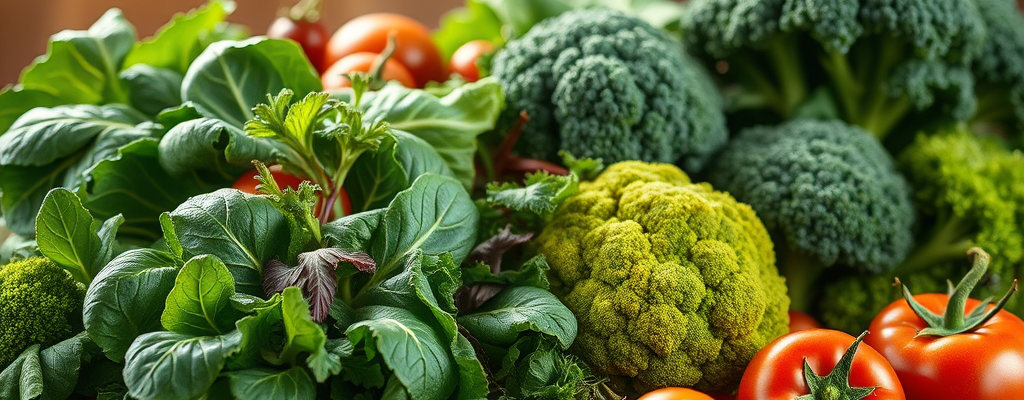
Cardiovascular disease remains one of the leading causes of death worldwide, making heart health a crucial focus for maintaining overall wellness. A balanced diet rich in vegetables can significantly reduce the risk of heart disease, improve circulation, and lower blood pressure. Vegetables, being nutrient-dense and low in calories, are a vital component of heart-healthy diets due to their high fiber content, antioxidants, vitamins, and minerals. This article will explore the top 10 vegetables that are especially beneficial for heart health, highlighting their nutritional value and the ways in which they support cardiovascular function.
1. Leafy Greens (Spinach, Kale, Swiss Chard)
Leafy greens such as spinach, kale, and Swiss chard are at the forefront of heart-healthy vegetables. These greens are powerhouses of essential nutrients, including vitamins A, C, K, and folate, as well as minerals like potassium and magnesium. Their high levels of dietary nitrates are particularly important for cardiovascular health, as nitrates are converted to nitric oxide in the body, helping to relax blood vessels and improve blood flow.
- Spinach is rich in lutein, which helps to prevent the thickening of artery walls.
- Kale is a nutrient-dense green that has been linked to lower cholesterol levels.
- Swiss chard contains natural nitrates that reduce blood pressure, promoting better heart function.
Leafy greens are also abundant in fiber, which lowers bad cholesterol (LDL) levels and reduces the risk of heart disease.
2. Broccoli
Broccoli is another superstar vegetable when it comes to heart health. Packed with vitamins C, K, and fiber, this cruciferous vegetable is known for its cholesterol-lowering properties and antioxidant content. It also contains sulforaphane, a compound that helps protect arteries from damage and inflammation.
- Antioxidants: Broccoli is loaded with antioxidants, which prevent oxidative stress and inflammation, two major contributors to heart disease.
- Fiber: The soluble fiber in broccoli helps bind to cholesterol in the gut, preventing it from being absorbed into the bloodstream and promoting heart health.
Studies have shown that regular consumption of broccoli may reduce the risk of heart disease by improving blood vessel function and lowering inflammation.
3. Tomatoes
Tomatoes, whether eaten fresh or cooked, are packed with heart-protective compounds. One of the most notable is lycopene, a powerful antioxidant that gives tomatoes their red color. Lycopene is known to reduce cholesterol levels, lower blood pressure, and prevent the oxidation of LDL cholesterol, which can lead to atherosclerosis.
- Potassium: Tomatoes are also rich in potassium, a mineral essential for maintaining healthy blood pressure levels.
- Vitamin C: This vitamin plays a crucial role in repairing blood vessels and maintaining healthy arteries.
Research has shown that a diet high in tomatoes and tomato-based products can significantly reduce the risk of heart disease.
4. Carrots
Carrots are famous for their high content of beta-carotene, a powerful antioxidant that the body converts to vitamin A. This antioxidant helps protect the heart by reducing oxidative stress and inflammation. Carrots also contain other heart-healthy compounds such as fiber, potassium, and vitamin C.
- Beta-Carotene: The high beta-carotene content helps reduce the risk of heart disease by lowering inflammation and preventing oxidative damage to arteries.
- Potassium: As a key mineral for heart function, potassium helps regulate blood pressure by balancing the effects of sodium.
The fiber in carrots also contributes to lower cholesterol levels and better digestion, reducing the strain on the heart.
5. Beets
Beets are a unique vegetable with deep red or golden hues, packed with heart-protective nitrates. These nitrates are converted into nitric oxide in the body, which helps improve blood flow, lower blood pressure, and enhance the function of blood vessels.
- Nitrates: The natural nitrates in beets help to relax blood vessels, improving circulation and reducing hypertension, a major risk factor for heart disease.
- Betalains: These pigments found in beets act as antioxidants, reducing inflammation and preventing oxidative stress.
Beetroot juice has been shown to improve cardiovascular endurance and lower blood pressure, making it an excellent vegetable for those looking to support heart health through natural means.
6. Bell Peppers
Bell peppers, particularly red and yellow varieties, are rich in antioxidants like vitamin C and beta-carotene, both of which support heart health by preventing inflammation and oxidative stress. Bell peppers also provide a good dose of fiber and potassium, contributing to lower cholesterol levels and blood pressure regulation.
- Vitamin C: Bell peppers are one of the best sources of this vitamin, which strengthens blood vessel walls and supports arterial health.
- Antioxidants: These compounds reduce oxidative damage to cells and tissues, protecting the heart from diseases like atherosclerosis.
Including bell peppers in your diet can help reduce the risk of heart attacks and strokes.
7. Garlic
Garlic has been used for centuries for its medicinal properties, and its heart-health benefits are well-documented. The active compound in garlic, allicin, has been shown to lower cholesterol levels, reduce blood pressure, and prevent the formation of blood clots.
- Allicin: This sulfur-containing compound helps to relax blood vessels and improve circulation, which can lower blood pressure.
- Cholesterol: Garlic has been shown to reduce LDL (bad) cholesterol levels while slightly raising HDL (good) cholesterol.
Eating garlic regularly can lead to a significant reduction in heart disease risk by improving overall cardiovascular health.
8. Sweet Potatoes
Sweet potatoes are an excellent source of heart-healthy nutrients, including fiber, potassium, and vitamin A. The natural sweetness of these vegetables comes from complex carbohydrates, making them a great choice for maintaining stable blood sugar levels.
- Potassium: Like other vegetables on this list, sweet potatoes are rich in potassium, which helps regulate blood pressure and supports healthy heart function.
- Fiber: The high fiber content helps reduce cholesterol levels, preventing plaque buildup in arteries.
Sweet potatoes are also loaded with antioxidants that reduce inflammation and oxidative stress, protecting the heart from disease.
9. Asparagus
Asparagus is a nutrient-dense vegetable that offers numerous benefits for heart health. It’s rich in vitamin K, which is essential for proper blood clotting and maintaining the flexibility of arteries. Asparagus also contains folate, which helps to regulate homocysteine levels in the blood.
- Vitamin K: This vitamin is crucial for maintaining healthy blood vessels and preventing the calcification of arteries.
- Folate: High levels of homocysteine, an amino acid, can increase the risk of heart disease. Folate helps break down homocysteine, reducing the risk of cardiovascular problems.
Asparagus is also a good source of fiber, which aids in reducing cholesterol levels and improving heart health.
10. Brussels Sprouts
Brussels sprouts are packed with fiber, vitamins, and antioxidants that support cardiovascular health. These small, cruciferous vegetables are rich in vitamin C, vitamin K, and folate, all of which play a role in protecting the heart.
- Fiber: The soluble fiber in Brussels sprouts helps lower cholesterol levels by binding to cholesterol molecules and removing them from the body.
- Antioxidants: Brussels sprouts are loaded with antioxidants that reduce oxidative stress and inflammation, both of which contribute to heart disease.
Eating Brussels sprouts regularly can improve blood vessel function, lower cholesterol, and reduce the risk of heart disease.
The Importance of a Heart-Healthy Diet
Incorporating a wide variety of vegetables into your diet is one of the best ways to protect your heart and reduce the risk of cardiovascular diseases. These vegetables provide essential nutrients like fiber, potassium, antioxidants, and vitamins that support heart health in different ways.
- Fiber: Helps lower cholesterol levels and maintain a healthy weight.
- Potassium: Regulates blood pressure by balancing sodium levels in the body.
- Antioxidants: Prevent oxidative damage to cells, reducing inflammation and protecting the heart.
By including heart-healthy vegetables like leafy greens, broccoli, tomatoes, and garlic in your diet, you can improve circulation, lower cholesterol, reduce blood pressure, and decrease the risk of heart disease. A diet rich in vegetables not only supports heart health but also provides a wealth of other benefits, such as better digestion, improved immune function, and reduced inflammation.
Conclusion
A heart-healthy diet is essential for maintaining overall wellness and reducing the risk of cardiovascular diseases. Vegetables, in particular, offer a wide range of benefits for heart health, thanks to their nutrient density, low calorie content, and high levels of fiber, antioxidants, and essential vitamins and minerals. From leafy greens to garlic, these top 10 vegetables can significantly improve your heart health when incorporated into a balanced, varied diet.
 Natural Health and Holistic Care
[…] for your health, I’ll bet your diet could be better (as could mine), and regular checkups are a great idea. In my case, I was short of […]
LikeLike